The Most Overlooked Elements of Commercial Kitchen Design
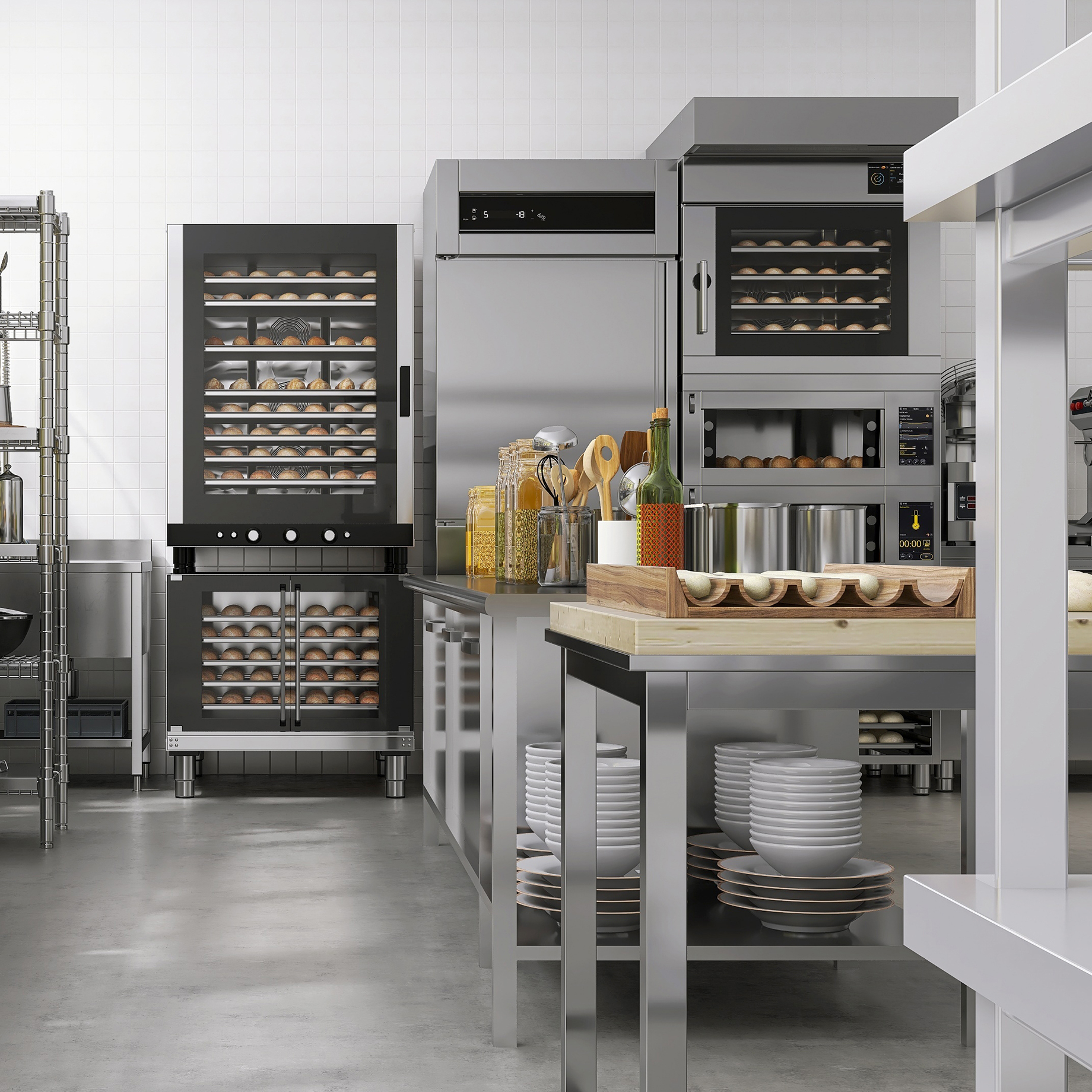
When people think of commercial kitchen design, they often picture the big-ticket decisions: where the cooking line will go, what appliances to choose, how to maximise prep space and how the flow of staff will work during a busy service. And while those elements are undeniably important, some of the most critical aspects of a successful kitchen are the ones that are easy to overlook. It’s often the smaller, less glamorous details that determine whether a kitchen operates smoothly or becomes a daily source of frustration. Here are some of the key design considerations that don’t always get the attention they deserve — but absolutely should.
Ventilation and Airflow
Ventilation isn’t the most exciting part of a kitchen design, but it’s one of the most important. Poor airflow can lead to heat build-up, uncomfortable working conditions, lingering odours and even safety risks. A well-designed system doesn’t just extract air — it balances intake and outflow to keep the environment comfortable and compliant. The placement of canopies, the type of filters used and the route of ducting all influence long-term performance. When done well, staff stay cooler, equipment lasts longer and energy usage stays under control.
Storage That Actually Matches the Workflow
Storage is often underestimated or added as an afterthought, yet it plays a major role in efficiency. It’s not enough to simply include shelving or refrigeration — storage needs to align with your specific operation. Ingredients, tools and equipment should be accessible at the right moments, not halfway across the kitchen. Dry stores, cold stores, utensil racks and cleaning equipment stations all need thoughtful placement. When storage is designed around workflow, staff spend less time navigating the space and more time doing what they do best.
Ergonomics and Staff Comfort
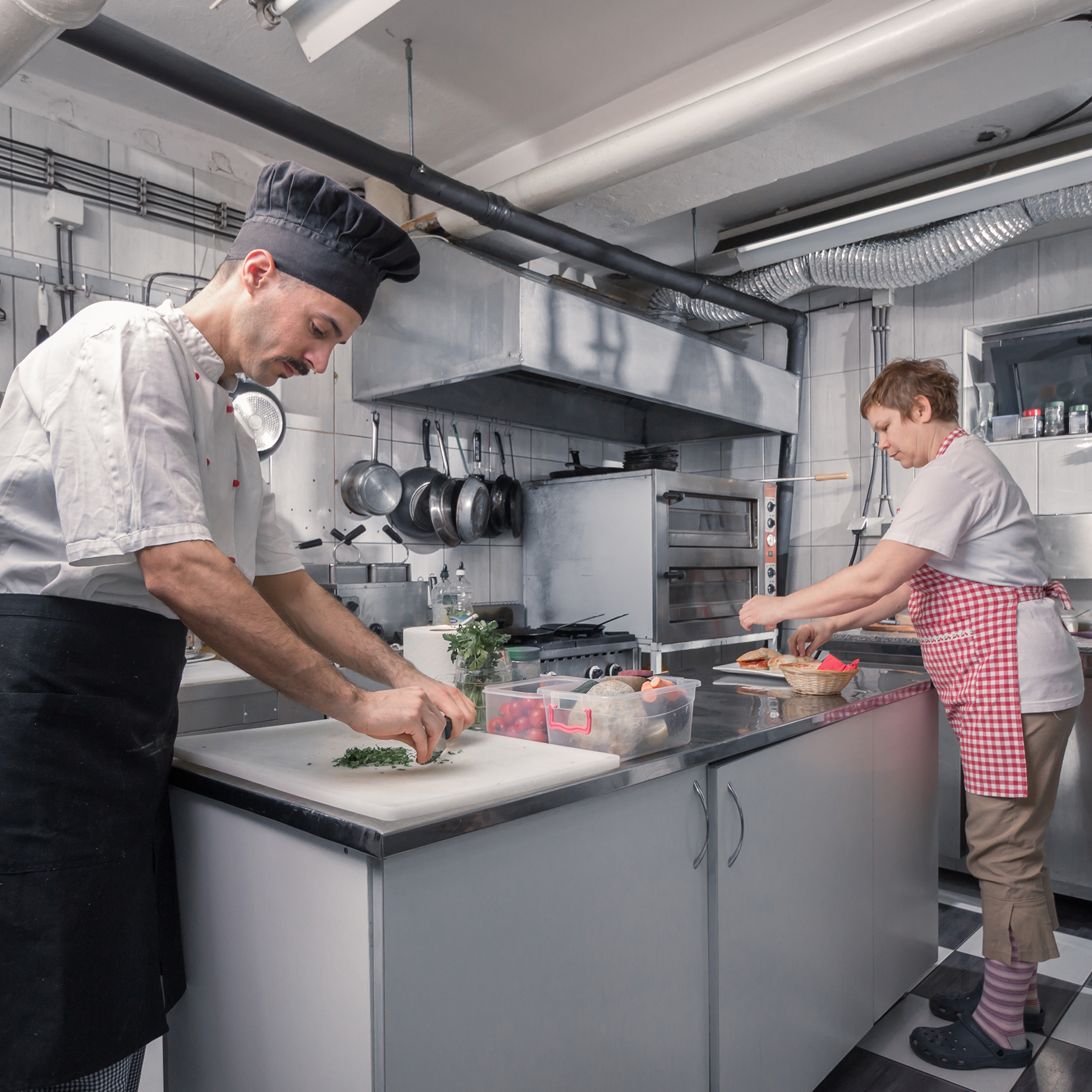
Commercial kitchens are high-pressure environments, and staff spend long hours on their feet. Small ergonomic choices — the height of benches, the spacing between equipment, the angle of prep areas — make a huge difference to comfort and performance. Designers who focus only on fitting everything in often miss these nuances. A well-designed kitchen considers how people move, reach, lift and turn throughout a shift. Improving comfort reduces fatigue, cuts the risk of injury and supports faster, more consistent service.
Utilities Placement
Gas, water, electrical and drainage connections might not be glamorous, but their positioning can make or break how smoothly a kitchen functions. Poorly placed utilities can limit equipment choices, cause awkward workflows or make maintenance far more difficult. Planning utilities early ensures everything is in the right place the first time — and avoids unnecessary costs further down the line. It also keeps installations cleaner, safer and easier to service.
Durability and Cleanability
Finally, the materials used in a kitchen have a huge impact on hygiene and lifespan. Stainless steel might be the obvious choice, but the grade, thickness and finish matter more than many people realise. Corners, joints and edges need to be designed for easy cleaning, and flooring must withstand constant traffic, heat and spills. Investing in durable, easy-to-clean surfaces saves countless hours of labour and reduces the risk of food safety issues.

Share This: