News
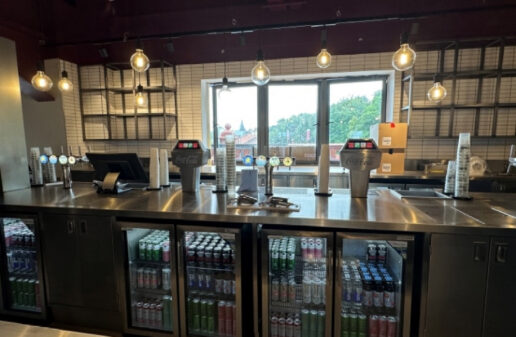
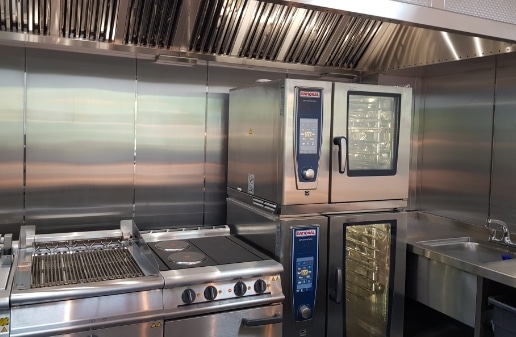
Whether you’re opening a new restaurant, refurbishing an existing kitchen, or planning a catering facility for a healthcare or education setting, delivering a successful commercial kitchen project requires much more than choosing the right equipment. A well-designed commercial kitchen is the result of careful planning, expert design, professional installation, and ongoing collaboration throughout the project. Working with a specialist commercial kitchen provider helps ensure every stage is managed efficiently, resulting in a kitchen that supports productivity, compliance, and long-term performance. This guide explains what commercial kitchen services typically include and why taking a complete project approach often delivers the best results.

The hospitality sector continues to face a changing landscape. Rising operational costs, sustainability targets, labour shortages, and evolving customer expectations are all influencing how commercial kitchens are designed and equipped. In 2026, businesses are taking a more strategic approach to kitchen investment. Rather than simply replacing aging equipment, operators are focusing on solutions that improve efficiency, reduce costs, and create flexible spaces that can adapt to future demands.
Here are some of the key commercial kitchen trends currently driving investment decisions across hospitality, healthcare, education, and catering sectors.

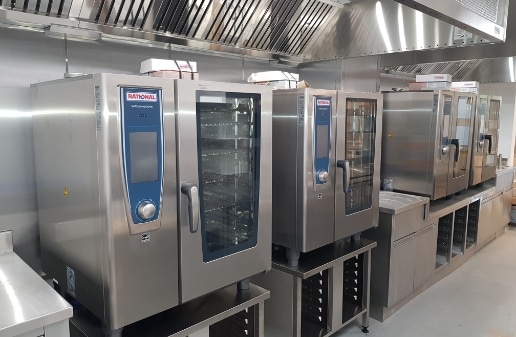
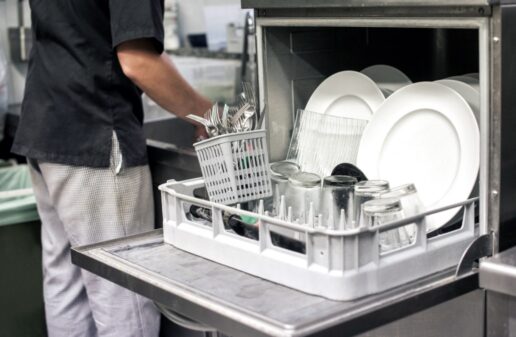
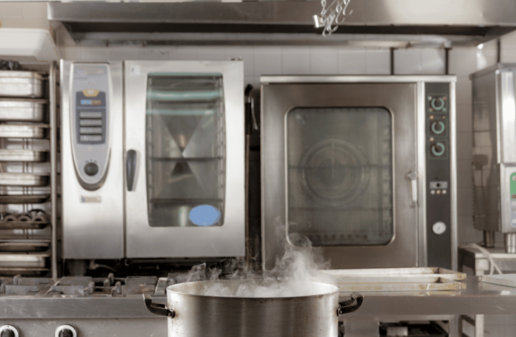
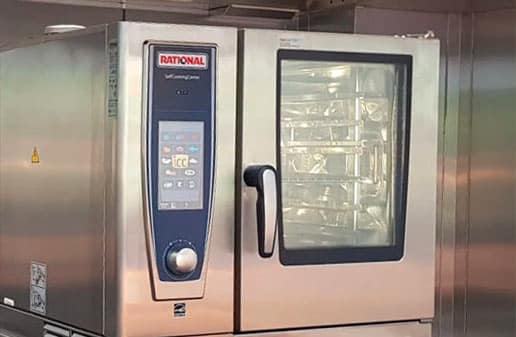
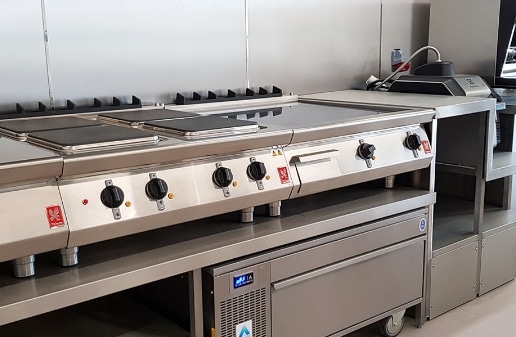
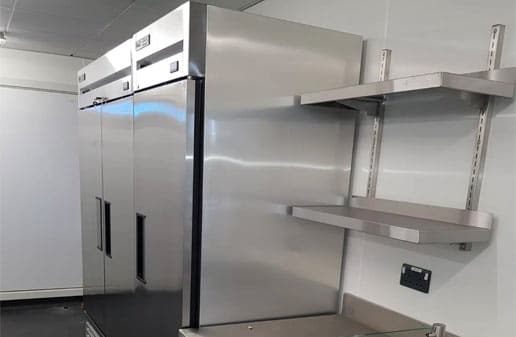
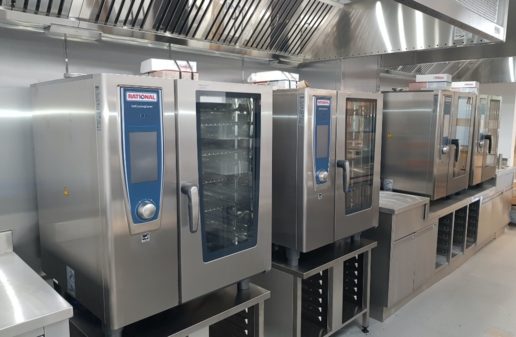
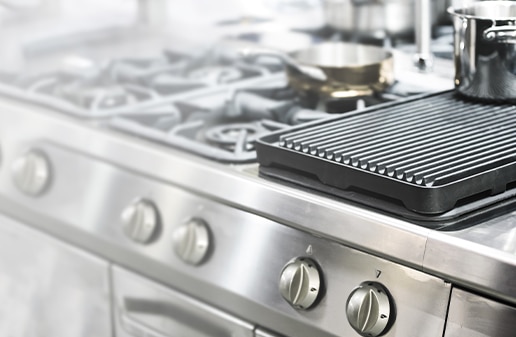
Choosing the right commercial kitchen equipment is one of the most important decisions for any restaurant. The commercial kitchen equipment used within a hospitality environment directly affects workflow efficiency, food quality, service speed, and long-term operating costs.
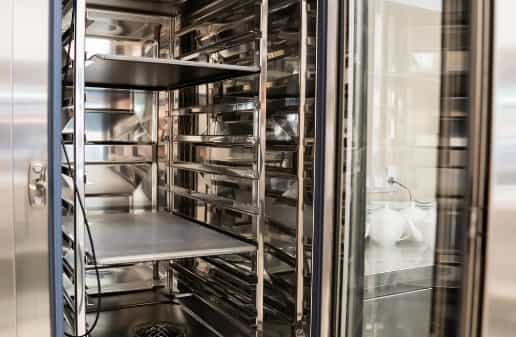
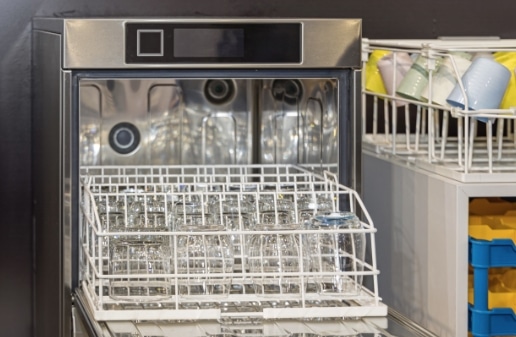
Whether opening a new restaurant, refurbishing an existing kitchen, or upgrading outdated appliances, investing in the right commercial kitchen equipment can help create a more productive, reliable, and efficient kitchen environment. Every restaurant will have different operational requirements, but there are several key categories of commercial kitchen equipment that form the foundation of an effective commercial kitchen.
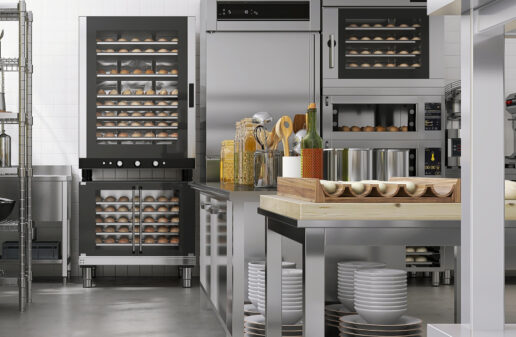
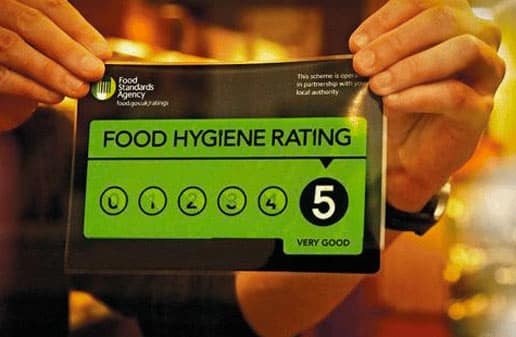
Keeping a commercial kitchen compliant is becoming more demanding, with tighter regulations, rising energy costs, and increased scrutiny from inspectors. For UK operators, compliance now goes beyond basic requirements. It directly affects safety, efficiency, and long-term performance. Whether you’re planning a new kitchen or upgrading an existing one, getting compliance right at the design stage will help avoid costly issues later.

Investing in commercial kitchen equipment is a major decision for any hospitality business. Whether opening a new venue, upgrading appliances, or refurbishing an existing kitchen, businesses must decide whether leasing or buying equipment is the best option for their operational and financial needs. Both approaches offer advantages depending on budget, long-term plans, and business requirements.

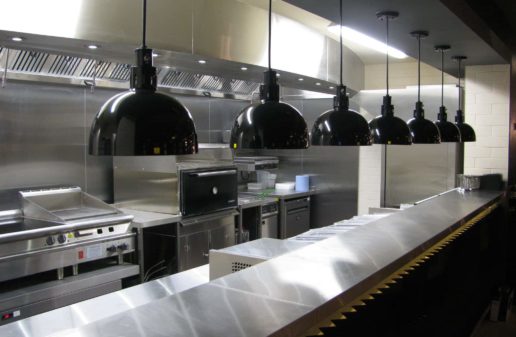
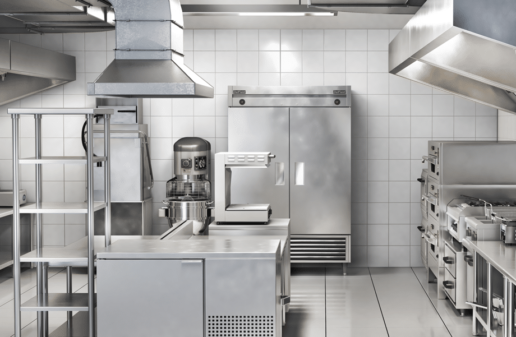
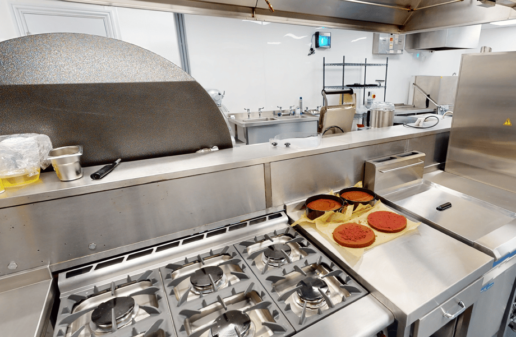
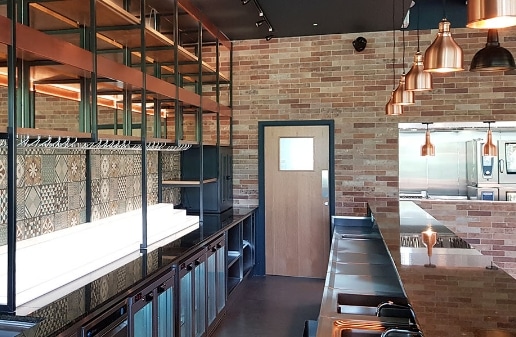
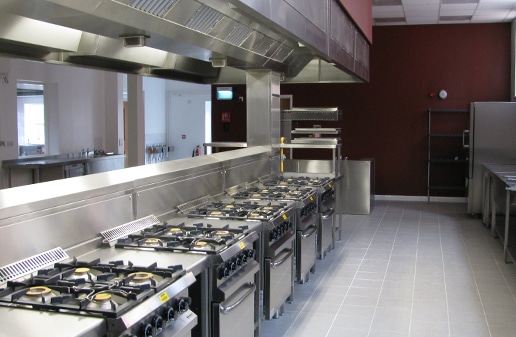
A well-designed commercial kitchen does far more than create an organised workspace, it directly affects staff productivity, workflow efficiency, and service speed. In busy hospitality environments, poor layouts can lead to delays, communication issues, and unnecessary staff movement, all of which impact operational performance. Whether planning a new kitchen or refurbishing an existing space, investing in professional commercial kitchen design can help businesses improve efficiency, reduce downtime, and create a more productive working environment.

When people think of commercial kitchen design, they often picture the big-ticket decisions: where the cooking line will go, what appliances to choose, how to maximise prep space and how the flow of staff will work during a busy service. And while those elements are undeniably important, some of the most critical aspects of a successful kitchen are the ones that are easy to overlook. It’s often the smaller, less glamorous details that determine whether a kitchen operates smoothly or becomes a daily source of frustration. Here are some of the key design considerations that don’t always get the attention they deserve — but absolutely should.